Are you ready to unlock the secret to radiant, youthful skin? Microneedling might just be your new best friend. This innovative skincare treatment is gaining popularity for its ability to rejuvenate and revitalize the skin. Whether you’re tackling fine lines, wrinkles, or acne scars, microneedling offers an effective solution that many people trust. Let’s explore what makes this technique so powerful and how it compares to other treatments like microdermabrasion. Your journey to glowing skin starts here.
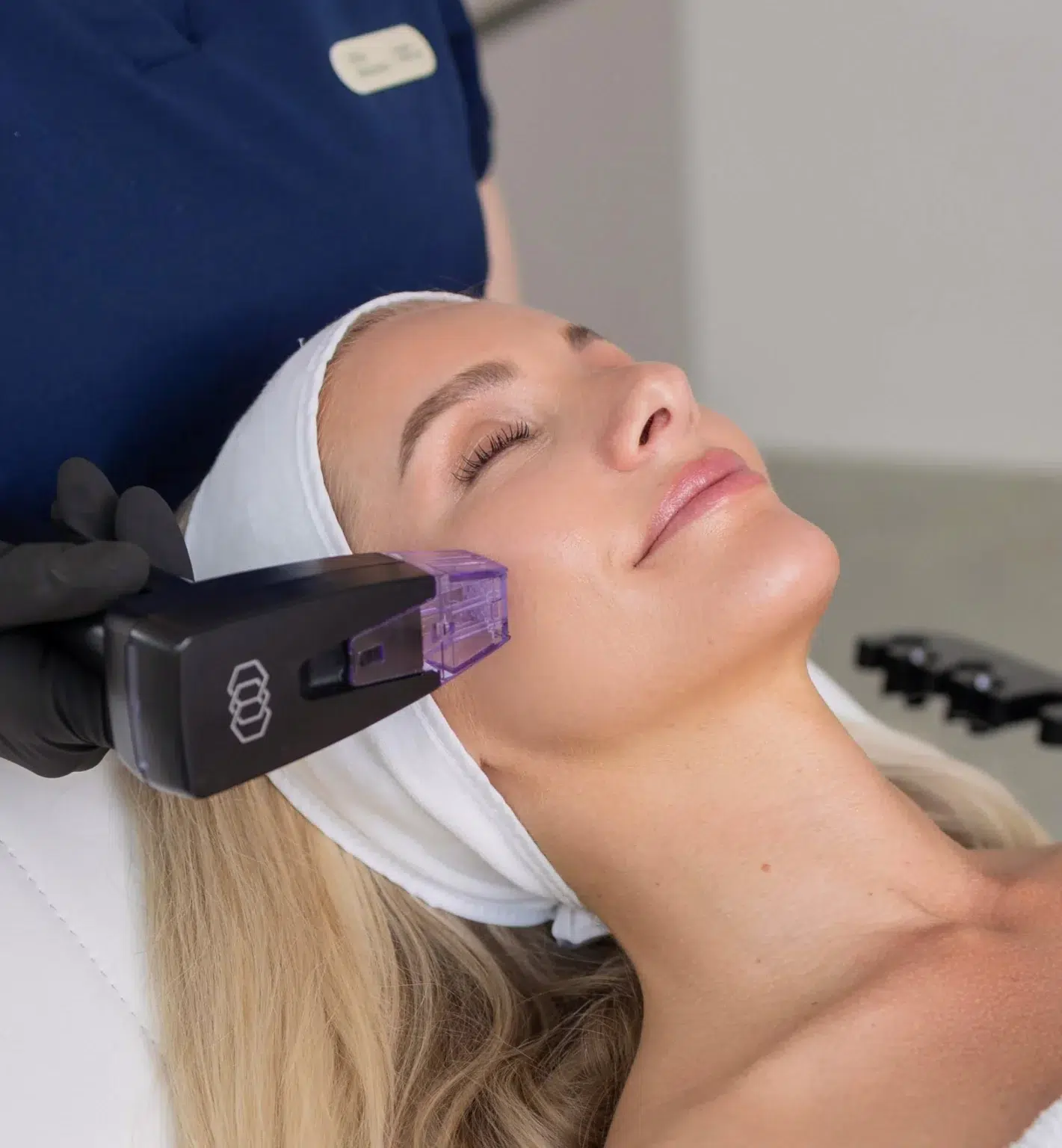
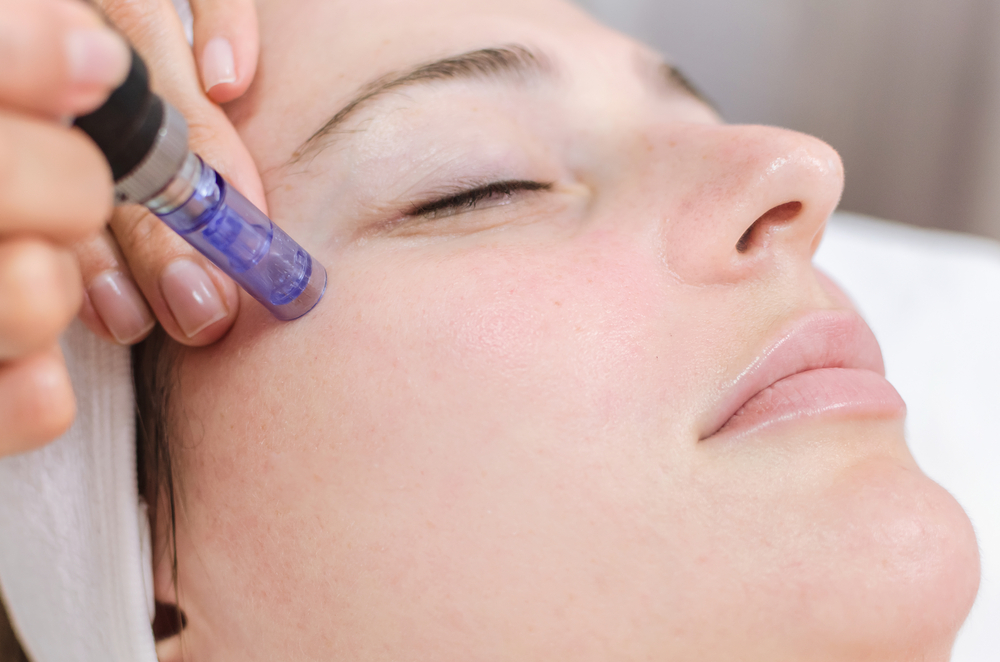
Microneedling is a minimally invasive procedure that involves creating tiny punctures in the skin using fine needles. This stimulates the body’s natural healing process, promoting collagen and elastin production for smoother, firmer skin. Many people choose this treatment to improve texture, reduce scarring, and enhance overall skin tone.
Microneedling is a minimally invasive cosmetic procedure that uses very fine needles to create micro-injuries in the skin. This technique activates the body’s natural repair process, increasing collagen and elastin production.
The result is smoother, firmer skin with improved tone and texture. It is commonly used to treat scars, wrinkles, enlarged pores, and uneven skin. Microneedling can also improve the absorption and effectiveness of topical serums applied after the treatment. Many patients prefer this option because it delivers visible results with minimal downtime.
When comparing microneedling to microdermabrasion, it is important to understand how each treatment works.
Microneedling creates tiny punctures in the skin using ultra-fine needles. This stimulates collagen production and helps improve fine lines, acne scars, and skin texture at a deeper level.
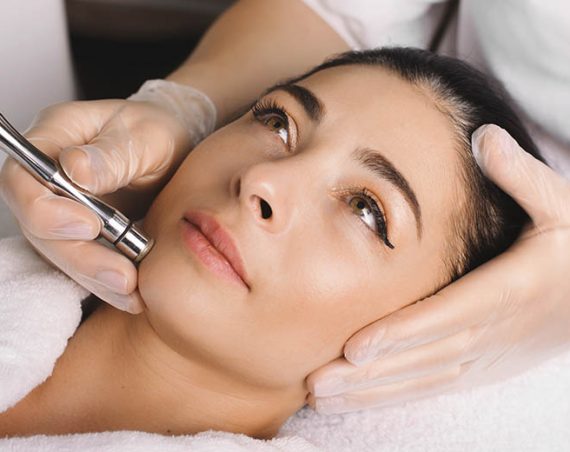
Microdermabrasion, on the other hand, is a more superficial treatment that exfoliates the outer layer of dead skin cells using gentle abrasion or suction. While both treatments improve skin appearance, microneedling reaches deeper layers for more noticeable and long-lasting results.
The best option depends on your skin type and goals. A professional evaluation can help determine the most suitable treatment.